Signs it's time to call
Some calls are obvious. An outlet has gone dead, a light fixture has failed or you want it replaced, a switch does nothing. Others are quieter: a breaker that trips every time you run the same two appliances, or a panel with no open slots when you want to add a circuit.
A small symptom is often the visible end of something bigger. A dead outlet might just be a worn device, or it might be a loose connection upstream. We can't tell which from the doorway, so we check before we promise anything.
If you're adding something new, whether a remodel, an addition or a project mid-construction, the question is the same. Do the existing wiring and panel have room for it, or does something need to change first?
Outlets, fixtures and what happens on the job
Every outlet job starts the same way. We shut off the breaker that feeds it, then confirm the outlet is dead with a voltage tester or multimeter. We don't trust the panel label alone.
Then we look at what's actually in the box. We inspect exposed wiring for damage before anything new goes on it. If the insulation is cracked or the conductor is scorched, we tell you and quote what it takes to fix. Once the wiring checks out, the hot, neutral and ground conductors go to their matching terminals on the new device.
The tools are plain: insulated screwdrivers and needle-nose pliers. Fixture swaps follow the same sequence.
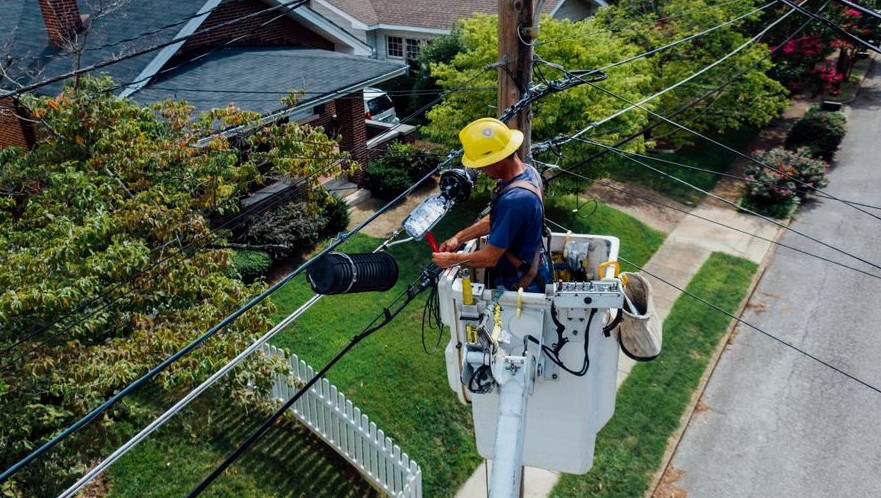
Panel upgrades
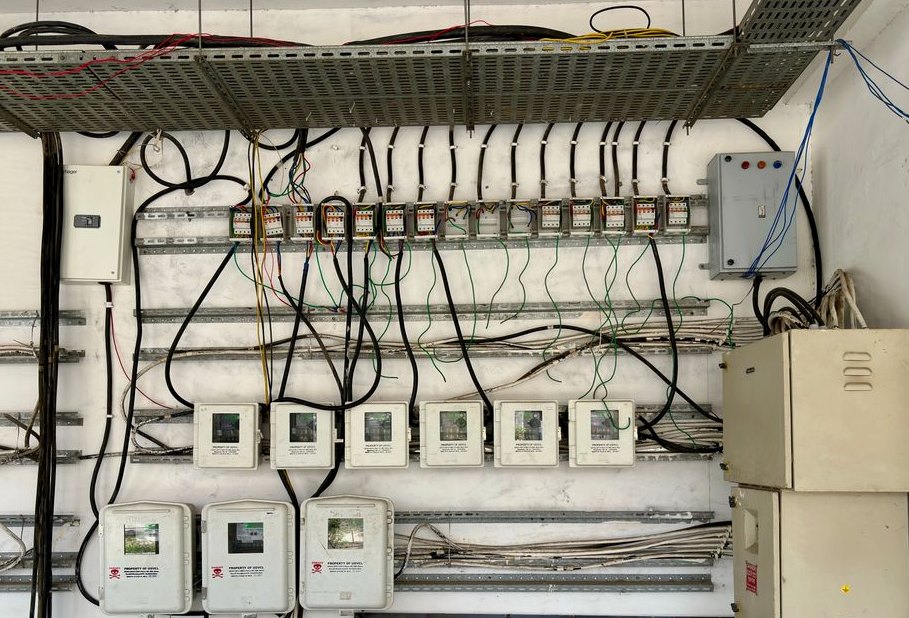
A panel upgrade is a different size of job. We're not swapping a device, we're replacing the thing every circuit in the house runs through. It comes up when the panel has no room for new circuits, when you're adding heavy loads, or when what's inside shows its age once the cover comes off.
We begin at the panel, comparing the circuits it runs today against the load you're planning. That tells us whether a smaller fix does the job or whether replacement makes more sense. Sometimes it's the second, and we'd rather tell you that up front than patch around a panel that's the real problem.
A panel with room to spare and sound wiring behind it goes faster and costs less than one where the wiring needs work or other parts have to be upgraded to match. Describe your panel on the phone and you'll get a ballpark. The firm number comes once we've seen the panel.
What it costs and what moves the price
Installing a light fixture runs from $158 to $1,018. That's wide for a reason. A like-for-like swap on an existing, healthy box sits near the bottom. A new location, new wiring runs, a heavier fixture or a tricky ceiling pushes toward the top.
On other work, the price climbs with every run of wiring we have to open up and add, with old or damaged wiring, with tight or awkward access, and with any panel work that has to happen before the new load goes on. A device swap is a short visit. New circuits or panel work take longer.
We can quote a typical range over the phone, and the exact figure is set once we've looked at the job. If we find something that wasn't visible at the start, we flag it and get your go-ahead before we do it.
Weather and requesting service
Racine gets steady precipitation all year, and hail and powerful straight-line winds have hit southeastern Wisconsin in severe-weather outbreaks. Low-lying spots along the Root River can flood after heavy rain. Outdoor outlets and exterior fixtures take that exposure first, so we look them over when we're already on site, and any outlet that water has reached gets tested and inspected before it goes back in service.
To request service, tell us what's happening and where: which outlet, which room, what it does or doesn't do. If you can, send a photo of the panel with the cover closed and one of the fixture or outlet in question. It helps us bring the right parts and gauge the time. The written quote spells out the work and the price before we book a date.
What It Typically Costs
Read these as planning figures, and where yours falls depends on the details.
$519–$2187
Start to Finish
For work like this, the specifics look like this:
- Secure the device in its electrical box, replace the wall plate, and restore power at the breaker.
Also Available
Straight Answers to Common Questions
What unexpected problems might come up when replacing an electrical panel?
Old wiring, corroded lugs, or undersized service entrance cables often surface once the panel is opened. Utility coordination for meter reconnects can add delays, and the house may lose power for several hours. A proper job includes circuit tracing, labeling, and torque-to-spec on all connections to prevent future issues.
Fast Scheduling
(262) 583-6810Give us a ring at (262) 583-6810, and there's no pressure to book.
Request an Estimate